
Category: Home Organization

  • 10 Clutter Culprits Making Your San Diego Home Look Messy


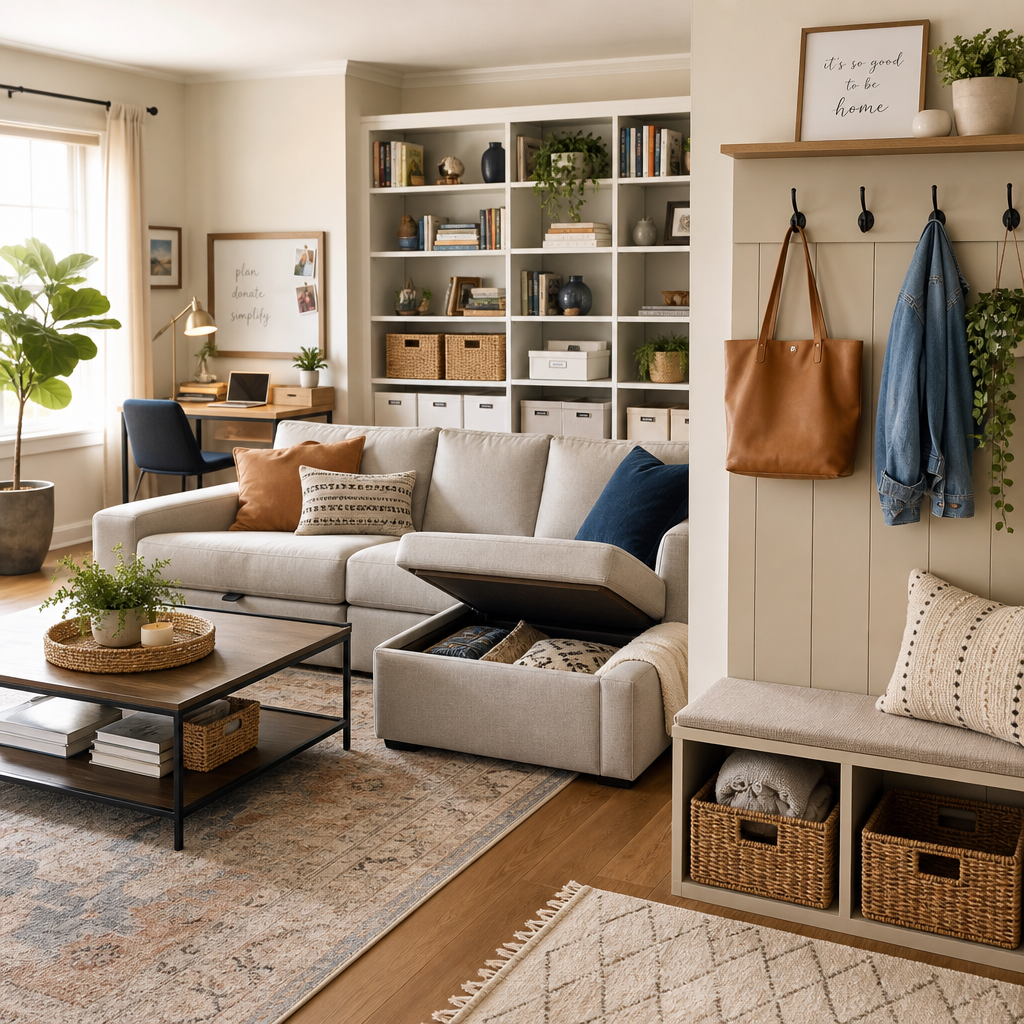
    Common clutter items inside a San Diego home ready for junk removal


    10 Clutter Culprits Making Your San Diego Home Look Messy

    San Diego living has a lot going for it: sunny weather, beach days, outdoor dining, weekend hikes, and relaxed coastal style. But that easygoing lifestyle can also invite clutter into your home faster than you realize. Between surf gear, reusable bags, mail piles, kids’ sports equipment, and everyday household items, even a clean home can start to look messy when too many things are left out in the open.

    The good news? You do not need a complete home makeover to make your space feel calmer and more organized. By identifying the everyday clutter culprits hiding in plain sight, you can make your San Diego home look fresher, cleaner, and more functional.

    Why Clutter Stands Out in San Diego Homes

    Many San Diego homes, condos, apartments, and townhomes are designed for indoor-outdoor living. Open floor plans, bright natural light, patios, and sliding glass doors make spaces feel airy and relaxed. However, that same openness means clutter is more visible. A few misplaced items on a kitchen island, entry bench, or living room floor can make the entire home feel disorganized.

    Whether you live in a beach cottage in Pacific Beach, a downtown condo, a family home in North County, or a bungalow near South Park, the key is to create systems that match your lifestyle.

    1. The “Drop Zone” by the Front Door

    The entryway is often the first place clutter collects. Shoes, backpacks, keys, sunglasses, dog leashes, hats, and reusable shopping bags can quickly turn your entrance into a messy catch-all.

    How to fix it

    Create a simple landing area with dedicated storage. You do not need a large mudroom to make this work.

    • Use hooks for hats, bags, and leashes.
    • Add a small shoe rack or basket for sandals and sneakers.
    • Place a tray or bowl near the door for keys and sunglasses.
    • Limit the area to daily-use items only.

    When every item has a home, your entryway instantly feels more intentional.

    2. Piles of Mail and Paperwork

    Mail is one of the most common clutter culprits in any home. Bills, flyers, school papers, coupons, and appointment reminders can pile up on countertops, coffee tables, and desks.

    How to fix it

    Sort mail as soon as it enters your home. Keep a recycling bin nearby so junk mail never makes it past the entryway. Create three simple categories: action, file, and recycle.

    If you work from home, which many San Diego professionals do, keep your paperwork system separate from family mail. A small desktop organizer or wall-mounted file holder can make a big difference.

    3. Kitchen Countertop Overload

    The kitchen is often the heart of the home, but it can also become a magnet for clutter. Appliances, water bottles, vitamins, snacks, charging cords, school lunches, and random household items can crowd the counters.

    How to fix it

    Ask yourself what truly needs to live on the counter. Keep out only the items you use daily, such as a coffee maker or toaster. Store the rest in cabinets, drawers, or a pantry.

    • Group similar items together in bins.
    • Use drawer dividers for utensils and gadgets.
    • Create a charging station away from food prep areas.
    • Clear the island nightly to reset the room.

    A clutter-free kitchen counter makes your entire home look cleaner, even if you have not deep-cleaned a thing.

    4. Too Many Decorative Items

    Decor adds personality, but too many decorative pieces can make a room feel crowded. Candles, picture frames, vases, books, trays, souvenirs, and seasonal accessories can compete for attention.

    How to fix it

    Choose fewer, larger statement pieces instead of many small ones. This helps surfaces feel styled rather than stuffed. San Diego homes often look best with a relaxed, coastal-inspired approach: natural textures, greenery, soft colors, and open space.

    Try rotating decor seasonally instead of displaying everything at once. Store extra pieces in labeled bins and refresh your shelves every few months.

    5. Beach Gear and Outdoor Equipment

    Living in San Diego means beach days, picnics, biking, surfing, paddleboarding, hiking, and kids’ sports. But beach chairs, towels, wetsuits, coolers, boogie boards, helmets, and camping gear can take over garages, closets, and patios.

    How to fix it

    Create zones based on activities. For example, keep beach items together, hiking gear in one bin, and sports equipment in another area.

    • Use vertical storage for surfboards, bikes, and paddles.
    • Install garage hooks for chairs and umbrellas.
    • Keep mesh bags for sandy beach toys and towels.
    • Use labeled bins so everyone knows where items belong.

    Outdoor gear should be easy to grab and easy to put away. That is the secret to keeping it from creeping into the rest of the house.

    6. Overflowing Closets

    A packed closet makes bedrooms feel chaotic, even when the doors are closed. If you are holding onto clothes that do not fit, shoes you never wear, or duplicate accessories, your closet may be creating daily frustration.

    How to fix it

    Start by removing anything that is damaged, uncomfortable, outdated, or no longer fits your lifestyle. San Diego wardrobes tend to include a lot of casual wear, activewear, swimwear, and light layers, so make sure your closet reflects how you actually live.

    Use slim hangers, shelf dividers, and drawer organizers to maximize space. Keep seasonal or special-occasion items higher up or in under-bed storage.

    7. Bathroom Product Clutter

    Bathrooms can quickly become crowded with skincare, hair products, sunscreen, makeup, medicine, towels, and grooming tools. In smaller San Diego condos and older homes, bathroom storage may already be limited.

    How to fix it

    Declutter expired products first. Sunscreen, medications, and skincare items all have shelf lives. Then group remaining products by category.

    • Use clear bins under the sink.
    • Keep daily products in one small tray or drawer.
    • Store backups separately from active products.
    • Avoid overcrowding shower ledges with half-used bottles.

    A streamlined bathroom feels more spa-like and easier to clean.

    8. Toys, Games, and Kids’ Items

    Family homes can become cluttered quickly when toys, art supplies, school materials, and sports gear do not have clear homes. Even if your children are neat, too many items can overwhelm a space.

    How to fix it

    Make cleanup simple and age-appropriate. Use open bins, low shelves, and picture labels for younger kids. For older children, create specific zones for homework, hobbies, and sports.

    Rotate toys instead of keeping everything out at once. This reduces visual clutter and helps kids stay more interested in what they have.

    9. Laundry That Never Quite Disappears

    Laundry clutter is not always dirty laundry. Sometimes it is clean clothes waiting to be folded, towels left on chairs, or baskets sitting in hallways for days.

    How to fix it

    Create a laundry routine that fits your household. Instead of doing one massive laundry day, try smaller loads throughout the week. Keep hampers in bedrooms, bathrooms, or closets so clothes do not end up on the floor.

    Most importantly, finish the cycle: wash, dry, fold, and put away. Laundry looks messy when it is stuck in the “almost done” stage.

    10. Items Without a Home

    The biggest clutter culprit of all is anything that does not have a designated place. Random cables, batteries, receipts, tools, pet supplies, gift bags, extra linens, and hobby materials tend to wander from room to room.

    How to fix it

    Walk through your home and notice what keeps landing on counters, floors, and tables. Those items are telling you they need a better storage solution.

    • Create categories before buying storage containers.
    • Store items near where you use them whenever possible.
    • Label bins and baskets to make maintenance easier.
    • Revisit problem areas every few weeks.

    Organization works best when it is realistic. If a system is too complicated, your household will not use it.

    Simple Ways to Keep Your San Diego Home Looking Tidy

    Once you tackle the biggest clutter culprits, maintaining your home becomes much easier. The goal is not perfection. The goal is to create a home that feels calm, comfortable, and easy to live in.

    Try these quick daily habits

    • Do a 10-minute evening reset before bed.
    • Clear kitchen counters after dinner.
    • Return shoes and bags to the entryway storage area.
    • Sort mail immediately instead of stacking it.
    • Put one item away every time you leave a room.

    Small habits prevent clutter from becoming overwhelming.

    Final Thoughts

    A messy-looking home is not always dirty or poorly designed. Often, it is simply filled with everyday items that need better systems. By addressing common clutter culprits like mail, entryway piles, beach gear, bathroom products, and overstuffed closets, you can make your San Diego home feel more open, organized, and inviting.

    Whether you are preparing to host guests, stage your home for sale, or simply enjoy a more peaceful space, start with one clutter zone at a time. A few thoughtful changes can transform the way your home looks and feels every day.

    FAQ Section

    What is the most common cause of clutter in San Diego homes?

    Old furniture, unused household items, and overflowing garages are among the most common sources of clutter.

    Can junk removal companies remove large furniture?

    Yes. Professional junk removal companies can safely remove couches, mattresses, dressers, appliances, and other bulky items.

    How much does junk removal cost in San Diego?

    Pricing depends on volume, item type, accessibility, and disposal requirements.

    Do junk removal companies offer same-day service?

    Many companies, including BK Junk Away Pros, offer same-day junk removal throughout San Diego County.

  • Items Making Your Home Look Cluttered, According to Organizers

    Items Making Your Home Look Cluttered, According to Organizers

    A cluttered home does not always mean you have too much stuff. Sometimes, it is the small everyday items left in the wrong places that make a room feel messy, crowded, or stressful. Professional organizers often say that visual clutter is just as important as actual clutter. Even if your home is technically clean, too many visible objects can make it look disorganized.


    The good news is that you do not need a full home makeover to create a calmer, cleaner space. By identifying the common items that make your home look cluttered, you can quickly refresh your rooms and make them feel more intentional. Below are the biggest clutter culprits organizers notice most often, plus simple ways to manage them.


    1. Piles of Paper

    Mail, receipts, school forms, takeout menus, catalogs, and random notes can quickly take over countertops, desks, and entryway tables. Paper clutter is one of the most common reasons a home looks messy because it spreads easily and rarely stays in one neat stack.

    How to Fix It

    • Create a small paper command center near your entryway or kitchen.
    • Recycle junk mail immediately instead of setting it down.
    • Use labeled folders for bills, school papers, coupons, and important documents.
    • Go digital whenever possible to reduce incoming paper.

    A simple tray or wall organizer can help, but the key is building a habit of sorting paper daily or weekly.

    2. Too Many Throw Pillows and Blankets

    Throw pillows and cozy blankets can make a living room feel warm and stylish, but too many can have the opposite effect. When sofas, chairs, or beds are covered in excess pillows, the space can look crowded and impractical.

    How to Fix It

    Choose a few pillows that match your color palette and store extras in a closet or storage ottoman. For blankets, use a basket, ladder, or bench to keep them contained. The goal is to make the room feel cozy without overwhelming the furniture.

    3. Shoes Near the Door

    A pile of shoes by the front door can instantly make an entryway look cluttered. Since the entry is the first area guests see, scattered footwear gives the impression that the rest of the home may be disorganized, too.

    How to Fix It

    • Use a slim shoe rack or a closed shoe cabinet.
    • Limit each family member to one or two pairs by the door.
    • Store seasonal or rarely used shoes in closets.
    • Add a basket for children’s shoes if you need a quick drop zone.

    Closed storage is especially helpful if you want a cleaner, more streamlined look.

    4. Excess Decor on Shelves and Tables

    Decor adds personality to a home, but too many picture frames, candles, vases, books, figurines, and souvenirs can make surfaces appear crowded. Organizers often recommend editing decorative displays so each piece has room to stand out.

    How to Fix It

    Try the rule of three: group decorative items in sets of three with different heights and textures. Leave some space around objects so shelves and tabletops can “breathe.” If you love rotating decor, store some items away and switch them seasonally instead of displaying everything at once.

    5. Kitchen Counter Appliances

    Coffee makers, toasters, blenders, air fryers, stand mixers, and electric kettles are useful, but when every appliance lives on the counter, the kitchen can look instantly cluttered. Clear countertops are one of the fastest ways to make a kitchen feel bigger and cleaner.

    How to Fix It

    Keep only the appliances you use daily on the counter. Store less-used items in cabinets, a pantry, or a kitchen cart. If cabinet space is limited, consider whether each appliance truly earns its spot in your kitchen.

    6. Bathroom Product Overload

    Shampoo bottles, skincare products, razors, makeup, hair tools, and cleaning supplies can easily clutter a bathroom. Because bathrooms are often small, even a few extra products can make the space feel chaotic.

    How to Fix It

    • Use drawer dividers for makeup and grooming tools.
    • Store backup products under the sink or in a linen closet.
    • Install shower caddies or corner shelves to contain bath products.
    • Toss expired toiletries and products you no longer use.

    For a more polished look, decant frequently used items like hand soap, lotion, or cotton swabs into matching containers.

    7. Cords and Chargers

    Nothing ruins a tidy room faster than tangled cords. Phone chargers, laptop cables, gaming wires, extension cords, and power strips can make even a well-decorated space look unfinished.

    How to Fix It

    Use cable clips, cord covers, or zip ties to keep wires under control. Create a designated charging station for phones and tablets, ideally in a drawer, basket, or hidden corner. Label cords if multiple devices share the same area.

    Tip: If you cannot hide cords completely, at least group them neatly so they look intentional instead of messy.

    8. Toys Without a Home

    Families with children know that toys can spread quickly from bedrooms to living rooms, kitchens, and hallways. The problem is not always the number of toys; it is the lack of a clear storage system.

    How to Fix It

    • Use labeled bins for categories like blocks, dolls, cars, art supplies, and puzzles.
    • Choose storage baskets that match your home decor for shared spaces.
    • Rotate toys every few weeks to reduce visual clutter.
    • Teach children to return toys to the same spot after playtime.

    Open bins are great for younger children because they make cleanup easier and faster.

    9. Laundry in Random Places

    Laundry has a way of making a home feel cluttered, whether it is dirty clothes on the floor, clean clothes waiting to be folded, or towels hanging over furniture. Even a tidy room can look messy when laundry is scattered around.

    How to Fix It

    Place hampers where laundry naturally collects, such as bedrooms, bathrooms, and closets. If clean laundry often sits in baskets, create a routine for folding and putting it away within the same day. A divided hamper can also make laundry day easier by sorting clothes ahead of time.

    10. Open Storage That Is Too Full

    Open shelving, glass cabinets, and exposed storage can look beautiful when styled carefully. However, when they are packed with mismatched items, they can create visual clutter. This happens often in kitchens, offices, playrooms, and living rooms.

    How to Fix It

    • Use matching baskets or bins to hide smaller items.
    • Group similar objects together for a cleaner look.
    • Avoid filling every inch of shelf space.
    • Keep frequently used items within reach and store extras elsewhere.

    Open storage works best when it is curated, not overloaded.

    11. Excessive Fridge Magnets and Notes

    The refrigerator is a magnet for visual clutter. Photos, invitations, school schedules, magnets, shopping lists, and reminders can pile up until the entire kitchen looks busier than it really is.

    How to Fix It

    Choose a small number of meaningful photos or notes to display. Move schedules and reminders to a family command center, bulletin board, or digital calendar. Keeping the fridge mostly clear can make the entire kitchen feel more organized.

    12. Items on the Stairs

    Many people use stairs as a temporary holding zone for items that need to go up or down. Unfortunately, those piles often stay there longer than planned. Shoes, laundry, books, toys, and packages on the stairs create both clutter and a safety hazard.

    How to Fix It

    Use a basket at the bottom or top of the stairs for items in transit, and empty it daily. Avoid placing loose objects directly on the steps. This simple habit helps keep walkways clear and your home looking tidier.

    13. Unmade Beds

    An unmade bed can make a bedroom look messy even if everything else is in place. Since the bed is usually the largest piece of furniture in the room, it has a major impact on how organized the space feels.

    How to Fix It

    Make the bed every morning, even if you keep it simple. Smooth the comforter, fluff the pillows, and fold a throw blanket at the end if you like a styled look. This quick habit instantly makes the entire bedroom feel cleaner.

    14. Too Many Items on Nightstands

    Nightstands often collect books, water glasses, chargers, medications, lotions, jewelry, and random items. Because they sit next to the bed, cluttered nightstands can make a bedroom feel less relaxing.

    How to Fix It

    • Keep only essentials on top, such as a lamp, a book, or a water glass.
    • Use a drawer organizer for small items.
    • Add a small tray for jewelry or glasses.
    • Clear the surface every few days.

    A clean nightstand supports a calmer bedtime routine.

    15. Random Items Without a Designated Place

    The most noticeable clutter often comes from items that do not have a true home. Keys, sunglasses, batteries, tools, gift cards, pet supplies, craft materials, and reusable bags can end up scattered throughout the house simply because there is nowhere specific to put them.

    How to Fix It

    Give every item a designated spot. Use small bins, trays, drawer organizers, hooks, and labels to make storage easy to maintain. If you cannot find a good place for something, ask whether you actually need to keep it.

    Simple Habits to Keep Your Home Looking Less Cluttered

    Once you know which items make your home look cluttered, maintaining a tidy space becomes much easier. Professional organizers often recommend building small, repeatable habits instead of waiting for a major decluttering day.

    • Do a 10-minute reset each evening to return items to their proper places.
    • Clear flat surfaces daily, especially kitchen counters, coffee tables, and desks.
    • Use containers to create boundaries for categories like toys, mail, and toiletries.
    • Declutter duplicates so you are not storing more than you need.
    • Follow the one-in, one-out rule when buying new decor, clothing, or household items.

    Final Thoughts

    A home does not need to be perfectly minimal to feel organized. The key is reducing visual clutter and making sure everyday items have a designated place. By tackling common clutter culprits like paper piles, countertop appliances, shoes, bathroom products, cords, and excess decor, you can make your home feel cleaner, calmer, and more spacious.

    Start with one room or even one surface. Small changes can make a big difference, and once you see how much better your home feels, it becomes easier to keep going.